
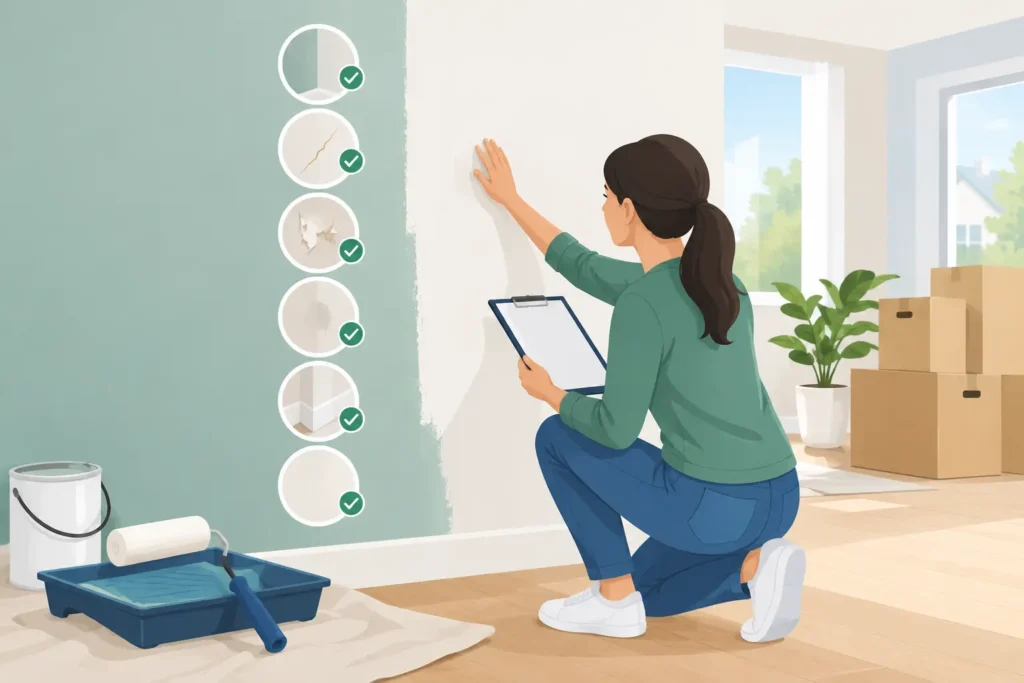
The keys are in your hand, the renovation work is nearly done, and the moving date is fixed. Then you look closely at the walls: scuff marks near switches, hairline cracks by the window, faded paint behind old furniture, and a color that does not feel like yours. If you are asking, “is repainting needed before movein,” the answer is not automatically yes. But this is the one point in the ownership cycle when repainting is fastest, cleanest, and least disruptive.
A fresh coat can change more than appearance. It can cover evidence of wear, seal repaired surfaces, improve cleanability, and give you a properly finished home before furniture blocks access. The decision should come down to the condition of the surfaces, the scope of your renovation, your timeline, and whether the existing paint will hold up once daily life begins.
Is Repainting Needed Before Move-In? Start With the Walls
Do not judge a room only from the doorway. Open curtains, switch on the lights, and inspect walls from different angles. Daylight often reveals uneven patches, roller marks, and old repairs that warm indoor lighting hides.
Repainting is usually worthwhile when walls have widespread stains, visible discoloration, peeling paint, moisture marks, or inconsistent touch-ups. It also makes sense when the current color clashes with your flooring, carpentry, curtains, or lighting plan. A small test patch might look acceptable now, but mismatched sheen or paint tone can become obvious once the room is fully furnished.
On the other hand, repainting every surface may not be necessary if the unit was recently painted, the finish is even, and only a few marks need attention. In that case, targeted touch-ups can be the sensible choice. The trade-off is that touch-up paint must match both the existing color and sheen. Even paint labeled with the same color name can dry differently after years of fading or cleaning.
7 Checks Before You Decide
1. Look for stains that cleaning will not solve
Grease near kitchen areas, nicotine residue, water streaks, marker marks, and old adhesive shadows often return through a quick touch-up. Simply painting over them may not solve the problem either. Stains need the right sealer before the finish coats go on, or they can bleed through the new paint.
If the marks are isolated and the existing paint is otherwise sound, spot treatment may work. If several rooms have similar staining, a full interior repaint is usually more efficient and gives a consistent finish.
2. Check for cracks, flaking, and hollow patches
Fine hairline cracks are common around door frames, ceilings, corners, and areas where materials meet. They are often repairable, but they should be patched and sanded before painting. Painting directly over a crack only makes it disappear temporarily.
Flaking, bubbling, or loose paint needs more investigation. It may be caused by poor earlier preparation, trapped moisture, or movement in the surface. A professional painting scope should include surface preparation, crack patching, sanding, sealing where needed, and proper drying time. The visible paint is the final layer of the job, not the entire job.
3. Inspect for moisture before covering it up
A brown ceiling mark, soft wall area, paint bubbles, or a musty smell is not a color problem. It is a moisture problem. Repainting before the source is fixed can leave you with the same stain and damage a few weeks later.
Check bathrooms, kitchens, air-conditioning drain areas, exterior-facing walls, and ceilings below plumbing lines. Resolve active leaks, condensation, or waterproofing issues first. Once the surface is dry and stable, it can be sealed and repainted properly.
4. Consider whether the colors work with your plans
Paint is one of the most cost-effective ways to make an inherited property feel intentional. A yellowed white can make new cabinetry look dull. A dark feature wall may shrink a compact bedroom. Strong colors left by a previous owner may affect how you choose furniture simply because they are difficult to ignore.
Neutral does not have to mean plain. The right warm white, soft gray, or muted tone can make flooring and built-ins look more cohesive. Paint selection should also consider room use. Washable finishes suit high-touch spaces, while ceilings and low-traffic bedrooms may not require the same paint range.
5. Review the renovation sequence
Repainting too early can mean painting twice. If electrical work, carpentry installation, air-conditioning piping, ceiling repairs, or drilling are still ahead, expect new marks and patching afterward. The best time for a full repaint is generally after dusty and invasive work is complete, but before major furniture, curtains, and appliances arrive.
There are exceptions. Some projects need primer or an initial coat before built-ins are installed, especially when access behind cabinetry will be impossible later. A clear site assessment helps set the right sequence so painters, renovators, and movers are not working against one another.
6. Measure the cost of disruption, not just paint
You can repaint after moving in, but the job becomes more complicated. Furniture must be shifted and protected, rooms may need to be cleared one at a time, and you will need to live around drying time, odors, and restricted access. That can be manageable for one room, but not always for an entire home.
Before move-in, painters can cover floors, prepare surfaces, apply multiple coats, perform touch-ups, and clean up without working around your daily routine. The empty-unit advantage is real: better access usually means faster work, fewer missed edges, and less risk to your belongings.
7. Decide how long you want the finish to last
If you plan to stay for several years, repainting before move-in can be preventative maintenance as well as a design decision. Quality preparation and suitable paint help walls tolerate routine cleaning, handprints, cooking residue, and normal wear.
If the property is a short-term rental or a near-term resale, a targeted refresh may be enough. Put the budget into the areas people notice first: the entry, living room, main bedrooms, hallways, and visibly worn ceilings. The right scope is not always the largest scope. It is the one that solves the condition issues without paying for work the property does not need.
A Practical Pre-Move Painting Process
A reliable paint job starts with a walkthrough, not a price guess based only on photos. The contractor should identify damaged areas, confirm the surfaces to be painted, discuss colors and paint suitability, and explain what is included in preparation. This avoids the common surprise of discovering that “painting” did not include crack repairs, stain sealing, furniture protection, or cleanup.
Next comes protection and preparation. Floors, fixtures, doors, windows, and any fixed carpentry should be covered. Loose paint is removed, cracks are filled, surfaces are sanded, and problem areas receive the appropriate sealer or primer. Skipping these steps may reduce the upfront quote, but it usually shows in the finish.
Only then should the crew apply the paint system, normally using enough coats for even coverage and the chosen color. A final inspection matters because small imperfections are easiest to correct before handover. Confirm that edges are clean, patches are not flashing through, switches and fixtures are free of splatter, and the agreed areas have been completed.
For homeowners on a tight handover schedule, speed matters, but uncontrolled speed does not. A well-organized team can mobilize quickly and complete many standard vacant-home projects within a short window while still allowing for preparation, drying, touch-ups, and cleanup. Painting.com.sg uses this kind of defined workflow to keep the scope clear from assessment through final handover, rather than leaving homeowners to coordinate separate workers.
When a Full Repaint Is Not the Best Call
There are times to hold back. If the property has active water damage, unresolved structural cracking, major renovation work still pending, or walls that are genuinely in excellent condition, repainting everything immediately may waste money. Address the underlying issue, complete the messy work, or reserve the budget for a focused refresh later.
Likewise, do not repaint solely because a previous owner used an unpopular color if that color will be fully concealed by upcoming built-ins, wall panels, or other finishes. Paint the visible and functional surfaces that will affect your daily experience.
A move-in date creates pressure to make fast choices. Use that urgency well: inspect closely, fix the surfaces that need real attention, and paint before the home fills with boxes and furniture. A properly prepared finish gives you a cleaner starting point and lets the space feel settled from the first night you call it home.
